Put the Camera Down: Gen Z Is Finally Letting Their Hobbies Just Be Hobbies
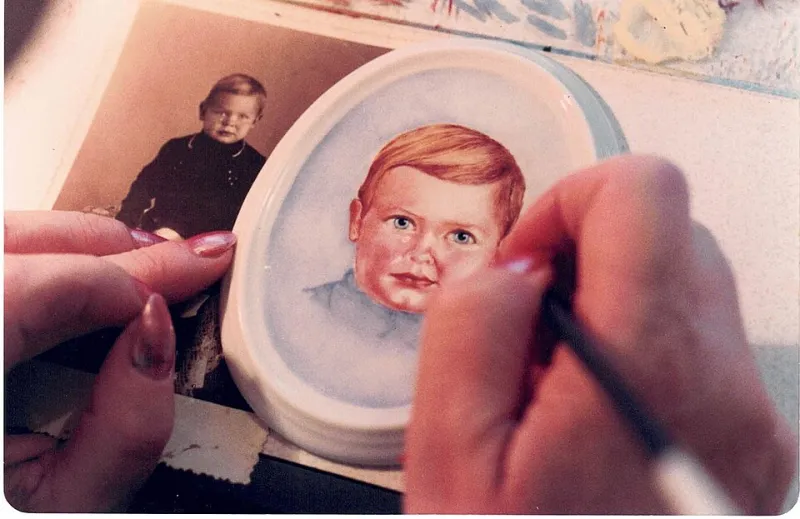
Photo: THEO SZINGER, CC0, via Wikimedia Commons
Somewhere in America right now, someone is baking sourdough bread and not posting about it. Someone is painting a watercolor that will never be listed on Society6. Someone is learning guitar chords in their bedroom with zero intention of starting a YouTube channel.
This is, somehow, a revolutionary act.
For the better part of a decade, hustle culture did a number on our leisure time. The message was everywhere — in productivity podcasts, in "turn your passion into profit" TikToks, in the quiet social pressure to have a thing that could theoretically become a side hustle. Hobbies stopped being something you did for yourself and started being something you did at an imaginary future audience.
But the tide is shifting. And it's Gen Z leading the charge back to doing stuff just because it feels good.
How We Got Here: The Monetization of Everything
Let's back up a little. The pressure to productize your passions didn't appear out of thin air — it was baked into the digital economy that Gen Z grew up inside. Platforms rewarded consistency, niche expertise, and personal branding. The creator economy made it look like anyone with a camera and a skill could turn their free time into income. And for a while, a lot of people actually did.
But the flip side of that promise was a slow, creeping transformation of what "having a hobby" meant. If you were good at something, you were supposed to monetize it. If you weren't monetizing it, were you really committed? If you weren't posting about it, did it even exist?
Painting became "building an art practice." Running became optimizing your VO2 max and curating your Strava profile. Even reading got turned into content — BookTok made it a performance, complete with aesthetic shelfies and monthly wrap-ups and reading challenges tied to follower growth.
The joy, quietly, started leaking out.
The Burnout That Doesn't Have a Name
There's a particular kind of exhaustion that comes from turning something you love into something you produce. It doesn't feel like regular burnout — it's more insidious than that. You still technically enjoy the thing. But there's a layer of obligation around it now, a low-grade anxiety about whether you're doing it well enough, consistently enough, publicly enough.
A lot of young people describe picking up a paintbrush or a crochet hook and immediately feeling the pull to document the process. Not because they want to share — but because the habit of performing productivity has gotten so deep that doing something without an audience feels almost pointless. That's a genuinely strange place to be, and it's worth naming.
Psychologists call the intrinsic motivation to do something for its own sake "autotelic experience" — the idea that an activity can be its own reward, independent of any external outcome. Hustle culture didn't just steal our time. It quietly eroded our ability to access that feeling.
The Quiet Rebellion Happening in Living Rooms Across the Country
But here's the good news: people are actively reclaiming it.
The signs are everywhere if you know where to look. Search "no content hobby" or "doing things for myself" on TikTok and you'll find a surprisingly large community of people talking about exactly this — the deliberate choice to pick up a skill or an activity with zero intention of turning it into anything shareable. The irony of posting about not posting is not lost on anyone involved, but the sentiment is real.
There's a growing aesthetic around what some are calling "invisible hobbies" — activities that leave no digital footprint. Journaling (not for an audience). Long walks without AirPods. Cooking elaborate meals for one, on a Tuesday, for no reason. Learning a language badly and slowly, with no app tracking your streak.
Fashion is even reflecting this shift. The "off-duty" wardrobe — comfortable, functional, not particularly Instagrammable — has become its own aspirational category. Dressing for comfort rather than content is having a genuine cultural moment. The vibe is: I was busy living, not styling a look.
What Happens When You Stop Optimizing
Here's what people who've made this shift actually report: the hobby gets better. Not in a measurable, metric-tracked way. Better in the way that matters — more fun, more absorbing, more genuinely restorative.
When you're not thinking about the caption, you're actually in the moment. When you're not comparing your progress to someone with 200K followers, you're just... progressing. When there's no audience to perform for, you can be bad at something without it meaning anything. And being bad at something you love, with zero stakes, is one of the most underrated pleasures available to a human being.
This is what the wellness industry sold us the idea of — presence, flow, joy — while simultaneously building a content machine that made those things almost impossible to access.
The New Luxury: Doing Things Nobody Will See
There's something quietly radical about the idea that your private life — the version of you that exists when no one's watching — is worth investing in. That the skills you build for yourself, the meals you cook for the experience of cooking them, the songs you learn to play badly in your apartment, have value that has nothing to do with their shareability.
This isn't about rejecting the internet or performatively going off-grid. It's more nuanced than that. It's about creating a protected category of life that the algorithm doesn't get to touch.
Some people are calling it "soft leisure." Others are framing it as a mental health practice. But honestly, it doesn't need a name or a framework. That's kind of the whole point.
Permission to Just Like Things
If you've been waiting for someone to tell you that it's okay to be into something without building a brand around it — consider this your sign.
You can learn to sew and never open an Etsy store. You can get really into birding and never start a podcast about it. You can bake every weekend and keep those cookies entirely for yourself and your roommates and the people you actually know in real life.
Your hobbies are not your side hustle waiting to happen. They're not content. They're not a personal brand. They're just the things that make your regular, non-optimized, beautifully unproductive life feel like yours.
And right now, in a culture that wants to commodify everything you touch, that might be the most punk thing you can do.