Side by Side Beats Face to Face: Why the Sidewalk Is Gen Z's New Therapy Room
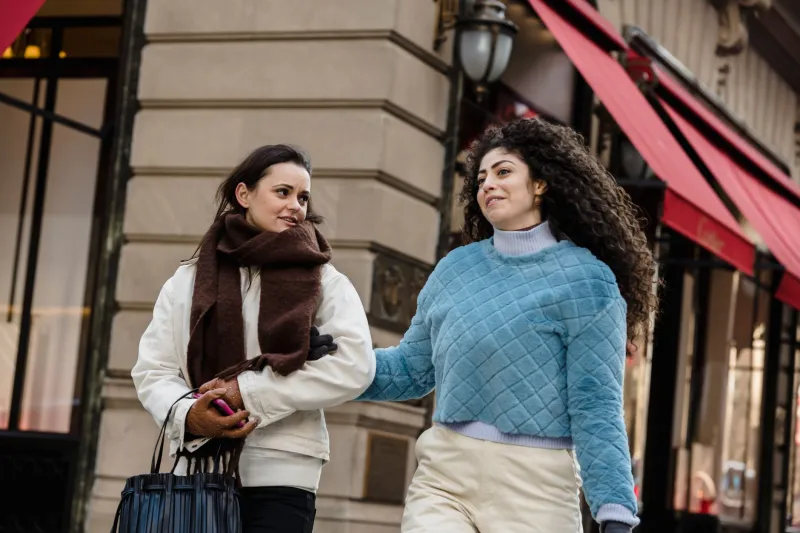
The invite usually arrives with no exclamation point and zero pressure: walk with me? No reservation, no outfit panic, no mental math about what your share of the check will run you. Just shoes, a route, and a friend. Somewhere between the death of the third place and the rise of the $22 cocktail, Gen Z landed on the most analog hangout imaginable — and turned it into a whole culture.
The Economics of Just... Moving
Start with the obvious: walking costs nothing. When your friends are budgeting in an economy where eggs once felt like a luxury purchase, the walk is the rare activity with no barrier to entry. There's no tip to calculate, no Uber surge to dread, no 'should we split it evenly even though she only had a salad' negotiation afterward.
That zero-cost structure changes who shows up. The walk doesn't quietly exclude the friend who's between jobs or drowning in student loan interest. It democratizes the hangout in a way brunch never could, and everyone in the group chat knows it.
Why Talking Is Easier When You're Not Looking at Each Other
There's a reason therapists take clients on walking sessions and screenwriters hash out plot problems on strolls: side-by-side conversation hits different. Without eye contact holding you hostage, the hard stuff comes out easier. The breakup debrief, the job that's quietly wrecking you, the thing you can't say to your mom — all of it flows better next to someone than across a candlelit table.
Psychologists have a version of this baked into the research: movement boosts mood, rhythmic activity lowers anxiety, and combining the two with a trusted friend is basically a free dose of behavioral activation. Gen Z didn't invent the science. They just packaged it as a hangout.
The Etiquette of the Walk Invite
Like every ritual, the walk has developed its own unwritten rules:
- The loop matters. A good walk route has a natural end point. Nobody wants to commit to a 10-miler with someone they're still feeling out.
- Pace is intimacy. A slow stroll is casual. A brisk trail hike? That's a real friendship investment.
- Podcasts are a crutch. Putting one on can mean 'I don't have the energy for real talk today,' and true friends respect the code.
- The car drop-off is the new goodnight kiss. If they circle the block to finish the conversation, you've made it.
From Debrief to Group Hike
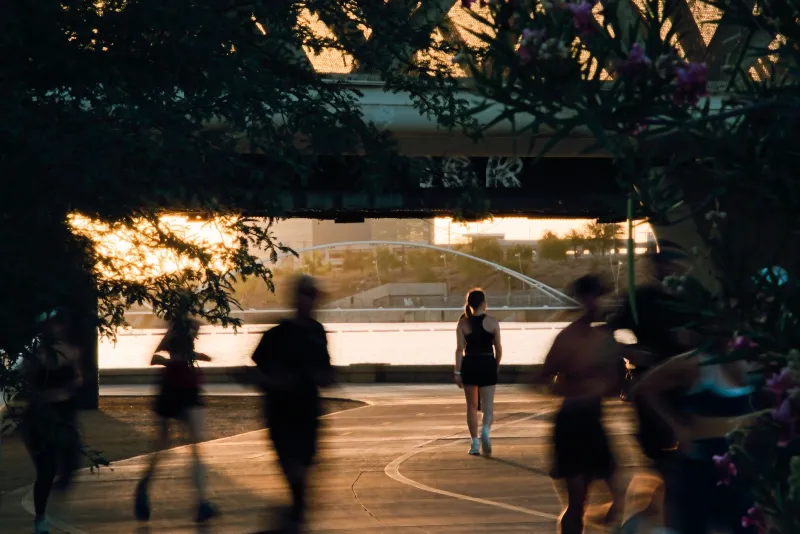
What started as one-on-one debriefs has scaled up. Group hikes now replace bottomless brunch on weekend calendars from Austin to Philadelphia, with group chats coordinating trailheads the way previous generations coordinated reservations. Run clubs — which are half fitness, half singles mixer, fully a social scene — exploded on the same logic. Movement became the venue.
Even dating got the memo. The walking date has become a first-date standard precisely because it's low-stakes and time-flexible: if the vibe is bad, you finish the loop and part ways. If it's good? You 'accidentally' take the long route.
Not Anti-Fun, Just Pro-Real
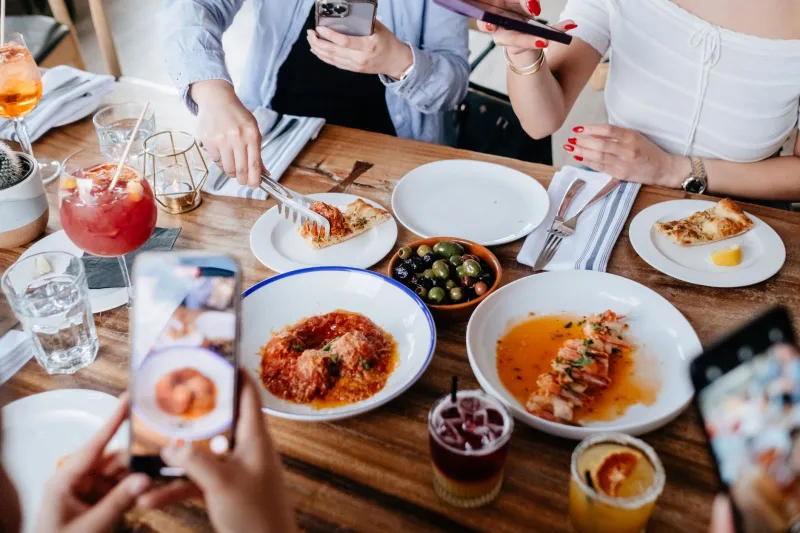
The cynics will call it another example of a generation optimizing joy into oblivion — can't we just get drinks like normal people? But that misses the point. The walk isn't a rejection of fun; it's a rejection of the performance that fun often demands. There's no table to hold down, no bill to justify, no content obligation. You can't really perform on a sidewalk. You just walk and talk.
And in an era when loneliness is officially a public health concern and hanging out has become something people have to schedule like dentist appointments, maybe the humble walk isn't a trend at all. Maybe it's a correction. The cheapest therapy session in America has been outside this whole time — you just needed someone to walk it with you.