Awake at 3 A.M., Shopping at 3:04: Inside the Overnight Economy Built for Gen Z Insomniacs
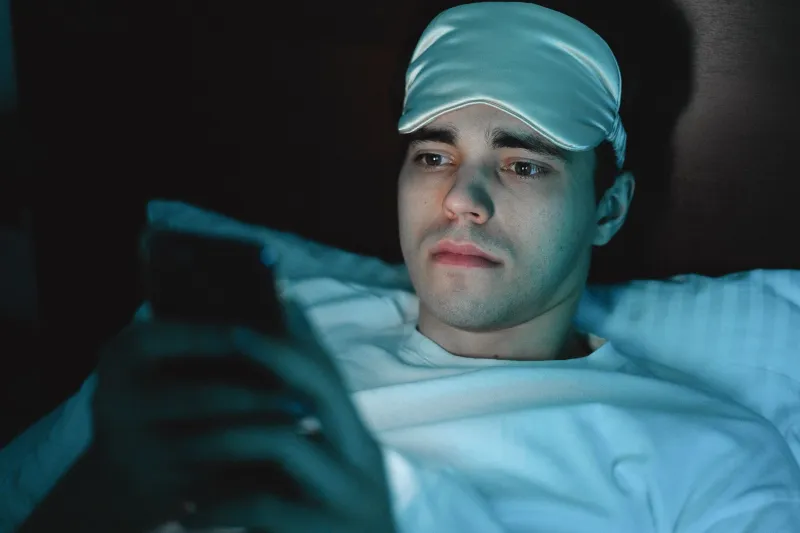
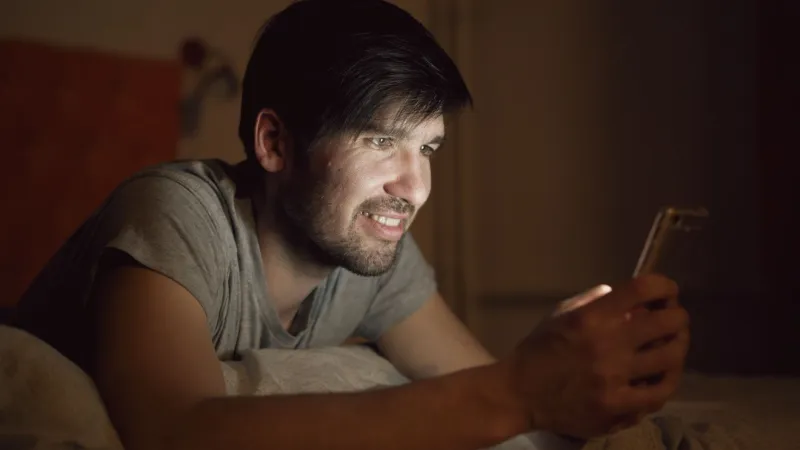
It starts innocently enough. You tell yourself you're just checking the time. Then it's one video, then a rabbit hole about why magnesium glycinate is suddenly everywhere, and before you know it, there's a cart full of stuff you don't need and a DoorDash driver knocking on your door at 2:47 a.m. with cold ravioli from the only place in town still open.
Welcome to the 3 a.m. economy — a weird, glowing ecosystem that only exists between the hours when bars close and bodegas reopen. And Gen Z isn't just participating in it. They're funding it.
The Overnight Hours Went Viral
For decades, the middle of the night was dead air for marketers. Prime-time ads, morning coffee promotions, lunch-hour deals — the whole advertising calendar was built around people with normal sleep schedules. Then an entire generation decided that 'normal sleep schedules' were more of a suggestion than a rule.
Revenge bedtime procrastination — the practice of staying up late to reclaim time that a packed daytime schedule stole from you — hit American workers hard, and nobody harder than twenty-somethings juggling side hustles, group chats, and the low-grade dread of checking their bank app. The result? Millions of young people wide awake, phone in hand, with impulse control at its lowest point of the day.
Brands didn't miss it. Flash sales now drop at midnight. Fast-fashion hauls trend hardest between 1 and 4 a.m. Even fast-food chains have leaned in, scheduling promotions around the night-owl crowd because the data says that's when the order button gets hit.
Your Wallet's Worst Hour
Here's the uncomfortable part: those purchases don't feel like purchases. At 3 a.m., $47 on a skincare gadget doesn't register the way it would at noon. There's no one awake to talk you out of it — not your roommate, not your mom, not the version of you that exists in daylight.
Financial researchers have a term for it: the sleep-deprived spend. Studies on late-night decision-making keep circling the same finding — exhaustion makes everything feel more urgent and less expensive. Combine that with one-click checkout and targeted ads trained on your exact 2 a.m. search history, and you've got a machine designed to convert insomnia into revenue.
The late-night food orders compound it. The 2 a.m. delivery isn't really about hunger. It's about comfort, ritual, and having something arrive at your door while the world feels far away. That's a powerful feeling — and companies are charging a premium for it.
The Sleep-Hacking Industrial Complex
The strangest twist in all of this? The same platforms keeping you awake are now selling you the cure.
Sleepmaxxing content has exploded: videos about mouth tape, weighted blankets, cooling mattress pads, circadian rhythm lighting, and supplements with names that sound like they were generated by a lab and a marketing team in the same meeting. Creators who once profited from keeping you scrolling now monetize 'fixing' the problem the scrolling created.
It's a tidy little loop. Stay up too late watching content about how to sleep better. Feel bad about it. Buy something to feel better. Stay up too late watching content about how to sleep better.
So Is It Self-Care or Self-Sabotage?
Honestly? It can be both, and pretending otherwise is where the shame spiral starts.
There's something genuinely sweet about the 3 a.m. internet — the low-stakes comment sections, the strangers watching the same movie at the same hour, the weirdly comforting discovery that you are not the only person in America awake right now. Late-night hours have always been where creativity and vulnerability live. Some of Gen Z's best ideas, side projects, and honest conversations happen after midnight.
The sabotage part kicks in when the hours stop being yours and start being the algorithm's. If you're choosing to be up, that's reclaiming time. If you're up because you physically can't put the phone down while a checkout page loads, that's something else entirely.
Taking the Night Back
The fix isn't a 9 p.m. bedtime — nobody's buying that. It's smaller than that. Charge your phone across the room and keep a note app for the 3 a.m. thoughts. Make a rule that anything in your cart after midnight has to survive until morning. Delete the saved payment info, at least on the apps you know are a problem.
And if you're going to be awake anyway? Be awake on purpose. Read the book. Work on the thing you keep saying you'll start. Text the one friend who's also up.
The overnight hours are going to exist either way. The only question is whether they belong to you — or to whoever's running the ads.