War Rooms and Wake-Up Calls: Inside the Sleepless Hustle of Gen Z Ticket Hunting
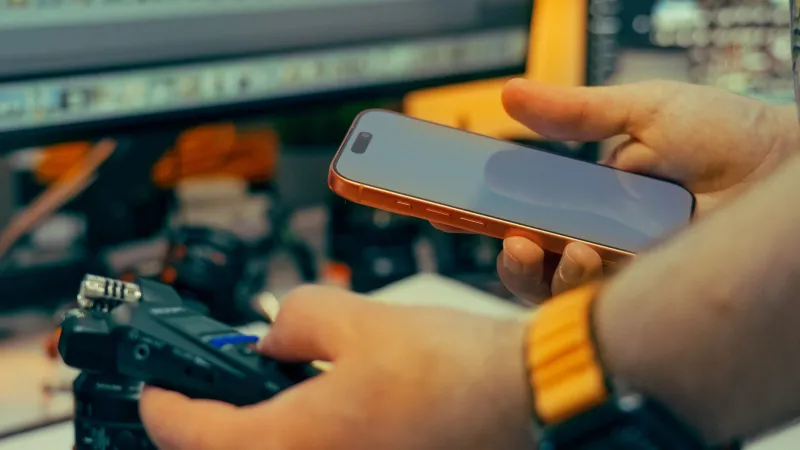
It's 2:58 a.m. on a Tuesday and Maya, a 22-year-old nursing student in Columbus, is wide awake, phone in hand, refreshing a page that won't load for another two minutes. Her group chat — cheekily named "Operation Eras" — has been hyping this drop for a week. Someone's on standby with a second device. Someone else has the presale code memorized like a birthday. When the queue finally opens, four people move as one.
Welcome to the 3 a.m. fandom, where the concert starts long before the lights go down.
The Grind Is the Game
For Gen Z, scoring tickets isn't a transaction. It's a raid. Dynamic pricing, bot scalpers, and staggered presales have turned the process into something closer to a video game boss fight than a checkout page. And like any good game, fans have developed strategy, roles, and yes, loot.
Maya's chat has a shared spreadsheet tracking every presale window, verified fan registration deadline, and estimated price tier. Another friend handles the "queue jump" — logging into three devices across two Wi-Fi networks. Someone always draws the dreaded job of watching the resale market for price dips.
"It's genuinely fun in a stressful way," Maya laughs. "We call it the Hunger Games. When one of us gets through, it's a whole group win."
Alarms, Anxiety, and the Cost of Showing Up
Not every story ends in floor seats. Jordan, a 20-year-old in Atlanta, slept through a 9 a.m. drop for his favorite rapper's tour and watched face-value tickets evaporate in four minutes. He ended up paying nearly double on resale — money he says came straight out of his grocery budget.
"The worst part isn't even the price," he says. "It's knowing the artist you love is fine with a system that punishes you for having a job or a class."
That tension is real. Dynamic pricing means the most devoted fans often pay the most, not the least. And the emotional whiplash — months of anticipation, a queue number climbing, then "sold out" — has pushed plenty of people to the edge of fandom burnout.
The Ticketmaster Exits
Then there are the ones who walked away entirely. After one too many Platinum-priced betrayals, some fans have gone full DIY: buying directly from venue box offices, waiting for day-of releases, or hunting down smaller club shows where a ticket still costs what a ticket should cost.
"I saw my favorite indie band at a 400-cap room for $30," says Riley, a 24-year-old in Portland. "No queue. No presale code. Just showed up. Honestly? Better than the arena show I paid $280 for last year."
Riley's approach is catching on. There's a quiet cultural shift happening where the flex isn't the biggest venue — it's the smartest get. Skipping the arena for the intimate show isn't settling; it's opting out of a rigged game.
So Is It Worth It?
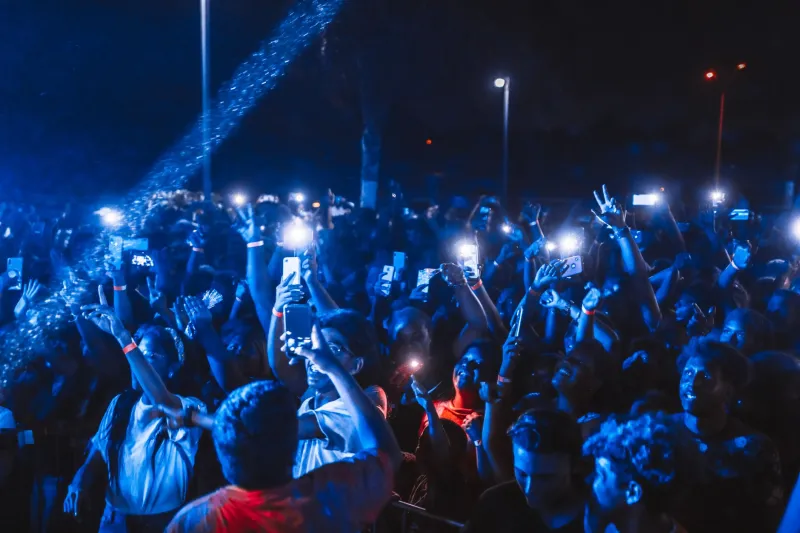
Here's the thing: nobody in these group chats is quitting. Despite the alarms, the spreadsheets, the heartbreak of a crashed checkout page, they keep coming back. Because when the lights finally dim and the first note hits, the grind compresses into a single moment that feels earned.
Maya puts it plainly: "When you fight that hard to get in the room, you sing louder."
The live music experience, it turns out, isn't dying. It's just demanding more from the people who love it most — and Gen Z, ever resourceful, is meeting it with community, strategy, and a shared calendar that respects no one's sleep schedule.
Set your alarms accordingly.